

“Being brave isn't the absence of fear. It's knowing that you're going to be fearful and doing it anyway. That's where the real magic happens. It's what you really feel like you're living.”
— Andie McDowell, Dahlia Beach
The Beautiful Pursuit
For five years, I've been telling stories about flower farming. Before I started, I was pretty naive, I thought it was just about growing flowers. I could not have been more wrong.
Throughout two seasons of Growing Floret (link above!), I had hundreds of conversations with farmer Erin Benzakein. She often used the word "movement" to describe flower farming. Honestly, at the beginning I was skeptical. Was it a career? Absolutely. A passion? Certainly. But a movement? I wasn't convinced.
Throughout the years that would change, but there was a recent moment that totally cemented it. Erin was surveying thousands of flower farmers, asking how Floret could support them with education. At the last minute, she added this question: "What do you wish people knew about flower farming?"
Responses poured in. Farmers who had built successful businesses by sharing carefully curated images of perfect blooms and sunset-lit fields answered. They loved this work, had made it their calling. Yet they weren't feeling fully seen. They wanted to tell the whole story - the physical toll, the countless sacrifices.
These responses weren't just data, but a collective voice waiting to be heard. Often individual farmers do not want to risk sharing the harder truths about flower farming. The goal on social media is to make people happy, to inspire, not to burden people with the reality of what it takes.
We thought, maybe if we talked to enough farmers, no single person would bear the weight of exposing the struggles. The story could speak for all of them.
From my garage office in Portland, I started conducting Zoom interviews with farmers around the world. No film crews, no fancy equipment - just recorded conversations - laptop to laptop.
I talked to 38 farmers across 32 different farms for over 60 hours of interviews. They shared their stories through cell phone videos, social media posts, and personal archives. Together, we created a three-part documentary film series that Floret would share with the flower farming community. This unconventional approach allowed for an intimacy and honesty that traditional production methods might have prevented.
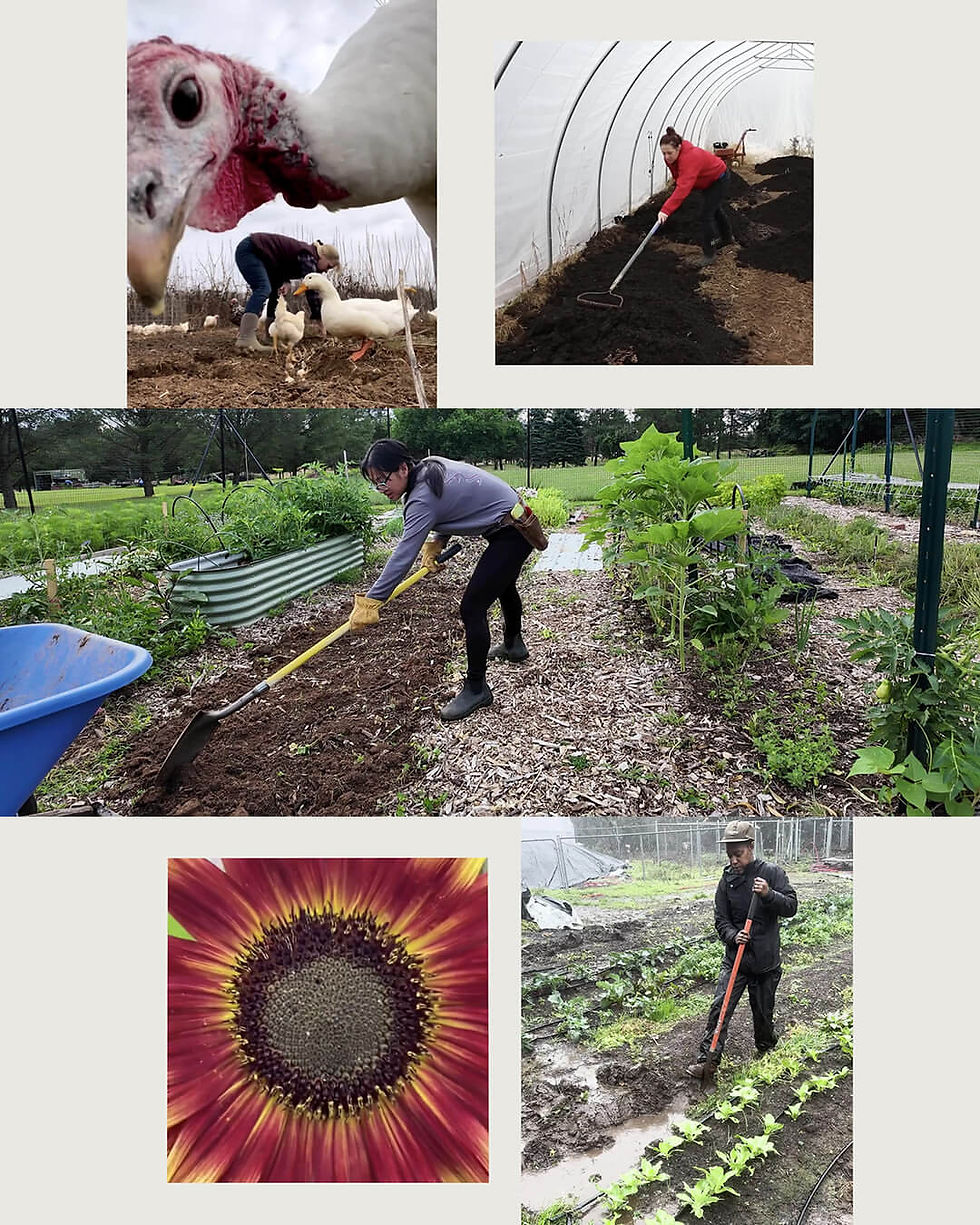
The series delves into experiences business owners rarely talk about publicly: the physical demands on the body, the heartbreak of losing entire crops to weather, the financial juggling act, and the strain on relationships and family. But it also celebrates what makes this path extraordinary - the joy of bringing beauty into the world, the deep connection to nature, and the privilege of being part of life's most significant moments through flowers.
Through these conversations, I finally understood what Erin had been trying to tell me at the beginning of our collaboration. Despite varied circumstances, the farmers all shared an unwavering belief that what they were doing mattered - not just for themselves, but for their communities and the planet. This truly is a movement.
And movements need stories.
The Beautiful Pursuit shows a different kind of beauty - one that exists in human hands as much as in the flowers they tend. It's the whole story: the perfect blooms and the failed crops, the sunrise moments and the midnight doubts. Because the most beautiful thing isn't the flowers. It's the people who grow them, and their unwavering belief that creating beauty is worth every struggle.
The Beautiful Pursuit
For five years, I've been telling stories about flower farming. Before I started, I was pretty naive, I thought it was just about growing flowers. I could not have been more wrong.
Throughout two seasons of Growing Floret (link above!), I had hundreds of conversations with farmer Erin Benzakein. She often used the word "movement" to describe flower farming. Honestly, at the beginning I was skeptical. Was it a career? Absolutely. A passion? Certainly. But a movement? I wasn't convinced.
Throughout the years that would change, but there was a recent moment that totally cemented it. Erin was surveying thousands of flower farmers, asking how Floret could support them with education. At the last minute, she added this question: "What do you wish people knew about flower farming?"
Responses poured in. Farmers who had built successful businesses by sharing carefully curated images of perfect blooms and sunset-lit fields answered. They loved this work, had made it their calling. Yet they weren't feeling fully seen. They wanted to tell the whole story - the physical toll, the countless sacrifices.
These responses weren't just data, but a collective voice waiting to be heard. Often individual farmers do not want to risk sharing the harder truths about flower farming. The goal on social media is to make people happy, to inspire, not to burden people with the reality of what it takes.
We thought, maybe if we talked to enough farmers, no single person would bear the weight of exposing the struggles. The story could speak for all of them.
“Being brave isn't the absence of fear. It's knowing that you're going to be fearful and doing it anyway. That's where the real magic happens. It's what you really feel like you're living.”
From my garage office in Portland, I started conducting Zoom interviews with farmers around the world. No film crews, no fancy equipment - just recorded conversations - laptop to laptop.
— Andie McDowell, Dahlia Beach
I talked to 38 farmers across 32 different farms for over 60 hours of interviews. They shared their stories through cell phone videos, social media posts, and personal archives. Together, we created a three-part documentary film series that Floret would share with the flower farming community. This unconventional approach allowed for an intimacy and honesty that traditional production methods might have prevented.
The series delves into experiences business owners rarely talk about publicly: the physical demands on the body, the heartbreak of losing entire crops to weather, the financial juggling act, and the strain on relationships and family. But it also celebrates what makes this path extraordinary - the joy of bringing beauty into the world, the deep connection to nature, and the privilege of being part of life's most significant moments through flowers.
Through these conversations, I finally understood what Erin had been trying to tell me at the beginning of our collaboration. Despite varied circumstances, the farmers all shared an unwavering belief that what they were doing mattered - not just for themselves, but for their communities and the planet. This truly is a movement.
And movements need stories.
The Beautiful Pursuit shows a different kind of beauty - one that exists in human hands as much as in the flowers they tend. It's the whole story: the perfect blooms and the failed crops, the sunrise moments and the midnight doubts. Because the most beautiful thing isn't the flowers. It's the people who grow them, and their unwavering belief that creating beauty is worth every struggle.
.jpg)
Director: Rob Finch
Executive Producer: Erin Benzakein
Editor: Sarah Bourscheid
Producer: Rob Finch
Associate Producer: Sarah Bourscheid
Production and Post Support: Chris Benzakein, Jill Jorgensen, Laura Davis, Melissa Reese, Angela Strand
Director: Rob Finch
Executive Producer: Erin Benzakein
Editor: Sarah Bourscheid
Producer: Rob Finch
Associate Producer: Sarah Bourscheid
Production and Post Support: Chris Benzakein, Jill Jorgensen, Laura Davis, Melissa Reese, Angela Strand